Master Fashion Savings: How to Build a Premium Wardrobe on a Budget
In an era dominated by fast fashion and fleeting trends, the concept of fashion savings has never been more critical for the discerning consumer. True fashion savings is not about purchasing the cheapest available garments; rather, it is a strategic approach to investment dressing. It is about allocating your budget toward high-quality, durable pieces that yield an incredibly low cost-per-wear over decades, rather than seasons. This comprehensive guide will walk you through the essential principles of smart fashion savings, allowing you to curate a luxurious wardrobe without experiencing financial strain.
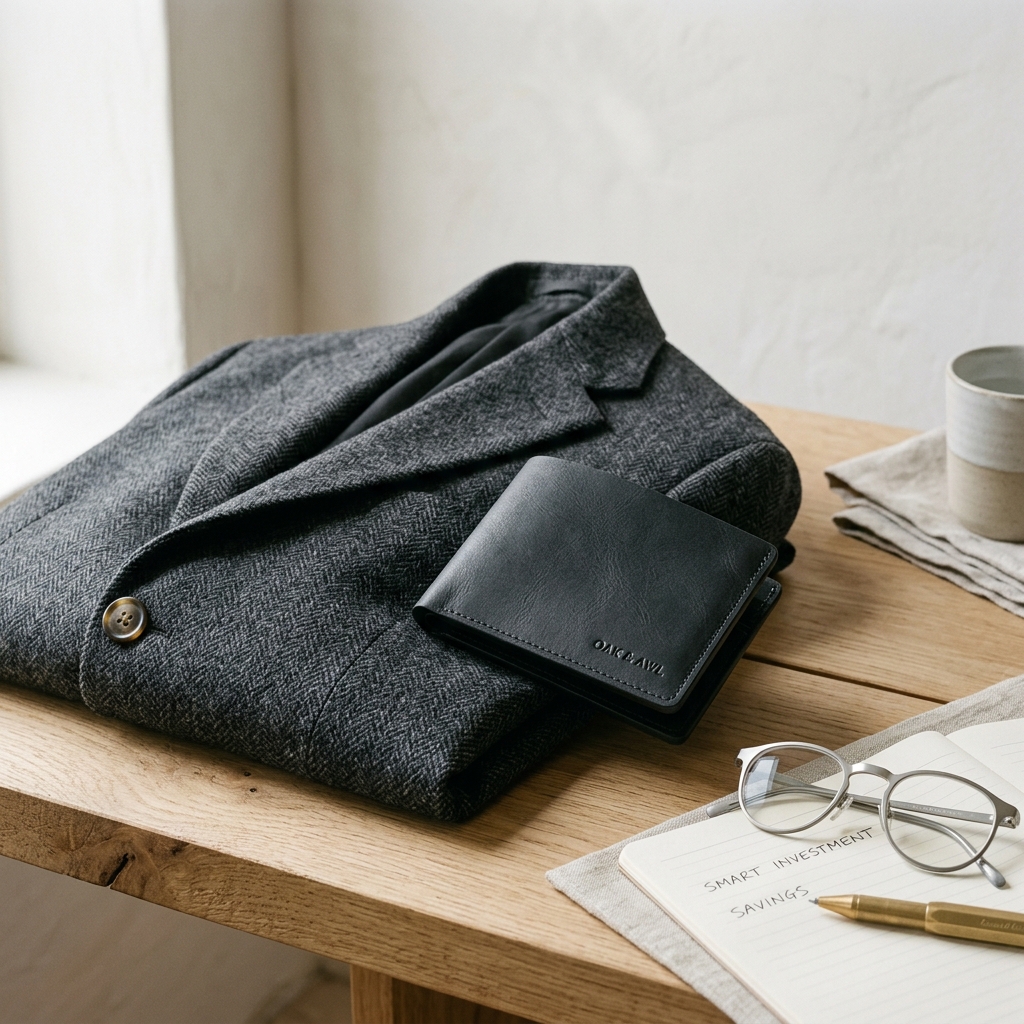
What Does True Fashion Savings Mean?
When most people hear the term "fashion savings," they immediately think of clearance racks, discount codes, and synthetic materials. However, in the realm of premium style, fashion savings is synonymous with efficiency and longevity.
If you purchase a $20 polyester sweater that pills, loses its shape, and must be discarded after five washes, your cost-per-wear is $4. Conversely, if you invest $150 in a heavy-knit Merino wool sweater that lasts for 100 wears over five years, your cost-per-wear drops to $1.50. The core philosophy of fashion savings is prioritizing the latter scenario: maximizing the lifespan and utility of every garment you own.
The Cost-Per-Wear Formula: Your Fashion Savings Blueprint
To master fashion savings, you must internalize the Cost-Per-Wear (CPW) formula. Before any purchase, divide the total cost of the item by the estimated number of times you will wear it.
Why CPW is Essential
- Reduces Impulse Buying: Calculating CPW forces you to pause and evaluate the true utility of a garment. A neon sequin dress might be on sale for $50, but if you only wear it once, it is a poor investment.
- Justifies Quality Upgrades: A $300 pair of Goodyear-welted leather boots might seem expensive initially. But because they can be resoled and worn for decades, their CPW becomes negligible over time.
- Encourages Neutral Palettes: Items with a low CPW are typically versatile, neutral pieces that pair well with everything else in your closet.
The Capsule Wardrobe: The Ultimate Fashion Savings Strategy
The most effective method for achieving significant fashion savings is adopting a capsule wardrobe. A capsule wardrobe is a highly curated collection of versatile, interchangeable garments—usually between 30 to 40 pieces, including shoes and outerwear.
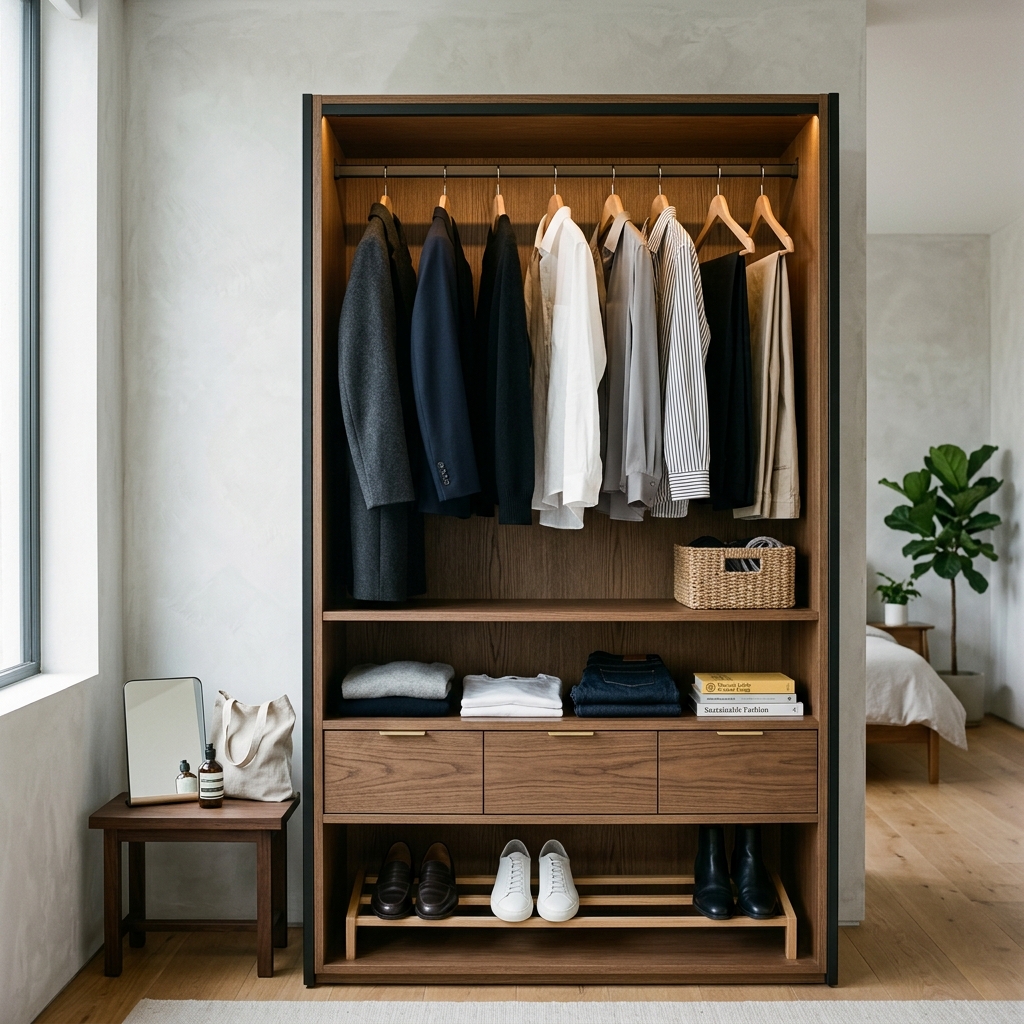
Steps to Curating a Savings-Focused Capsule Wardrobe
- Conduct a Brutal Closet Audit: Empty your entire closet. If you haven't worn a piece in 12 months, sell it or donate it. Selling unworn premium garments on platforms like Grailed, Depop, or The RealReal is an excellent way to generate immediate fashion savings.
- Identify Your Core Color Palette: Select a base color (navy, black, or charcoal) and two to three complementary neutral tones (camel, olive, grey, or cream). When every piece matches, you need fewer items overall.
- Invest in the "Base Essentials": Allocate the majority of your budget to foundational pieces. A tailored blazer, a heavy tubular cotton t-shirt, raw selvedge denim, and a high-quality leather tote or backpack bag are non-negotiable investments.
- Limit Seasonal Purchases: Instead of buying entirely new wardrobes for summer and winter, focus on transitional layering. A high-twist wool blazer can serve you year-round depending on what you wear underneath it.
Where to Find Premium Garments for Less
Achieving incredible fashion savings on luxury items requires patience and strategic sourcing. You do not have to pay full retail price for premium quality if you know where to look.
1. The Secondary Market (Archival & Vintage)
The secondary market is the holy grail of fashion savings. Websites dedicated to luxury consignment offer gently used or even new-with-tags items at 40% to 70% off retail prices. Look for archival pieces from renowned fashion houses—these items often feature superior construction compared to modern releases.
2. End-of-Season Clearances at Independent Boutiques
While major department stores have predictable sale schedules, independent menswear and womenswear boutiques often offer steep discounts (up to 60%) at the end of a season to clear inventory space. Subscribing to their newsletters is a highly effective fashion savings tactic.
3. Factory Seconds and Sample Sales
Many premium brands host annual sample sales or sell "factory seconds." A factory second is an item with a microscopic, often unnoticeable cosmetic flaw (like a slightly misaligned stitch). Purchasing these items can yield up to 50% in fashion savings without compromising structural integrity.
Fabric Knowledge: The Secret Weapon for Fashion Savings
To ensure your investments stand the test of time, you must become fluent in fabric composition.
- Avoid Blends When Possible: A sweater labeled "wool blend" might contain 80% acrylic and only 20% wool. It will not retain heat, and it will pill heavily. Seek out 100% natural fibers like Merino wool, cashmere, cotton, and linen.
- Understand Leather Grading: "Genuine leather" is technically the lowest grade of real leather. For true fashion savings over time, invest in "full-grain" or "top-grain" leather, which ages beautifully and resists tearing.
- Check the Hardware: Zippers, buttons, and clasps are often the first things to break. Look for solid brass hardware, YKK Excella zippers, and thick mother-of-pearl or horn buttons.
Maintenance: Protecting Your Fashion Savings
The most overlooked aspect of fashion savings is garment care. The most expensive, high-quality sweater will be ruined if washed incorrectly.
- Wash Less Frequently: Unless you are sweating heavily, you do not need to wash wool or heavy denim after every wear. Spot clean stains and hang garments in a well-ventilated area to air out.
- Ditch the Dryer: Heat destroys elastic fibers, shrinks cotton, and degrades fabric integrity. Hang dry or lay your garments flat to dry to extend their lifespan exponentially.
- Use Proper Hangers: Wire hangers distort the shoulders of tailored jackets and knits. Invest in wide-shoulder wooden hangers for outerwear and fold your heavy sweaters to prevent stretching.
Case Studies: Real-World Fashion Savings
Case Study 1: The Boot Investment
Michael, an architect, spent $150 every year on fast-fashion boots that fell apart in the snow. Over five years, he spent $750. By shifting his approach to fashion savings, he invested $350 in a single pair of recraftable, Goodyear-welted boots. Five years later, they look better than new with minor conditioning, saving him $400 and reducing environmental waste.
Case Study 2: The Designer Coat
Sarah wanted a camel hair overcoat. Retail prices were upwards of $1,200. Instead of settling for a $200 synthetic replica that would pill in weeks, she utilized her fashion savings strategies. She monitored a trusted vintage consignment site and purchased a flawless 1990s Italian-made camel hair coat for $300. She secured superior craftsmanship for a fraction of the cost.
FAQ: Mastering Fashion Savings
Q: Does fashion savings mean I can never buy trendy items? A: Not at all. A healthy fashion savings strategy follows the 80/20 rule: 80% of your budget goes to timeless, high-quality basics, and 20% can be allocated for fun, trendy, or experimental pieces.
Q: How do I identify a well-made garment in a store? A: Look at the internal seams. Are they finished cleanly or fraying? Tug gently on the buttons to ensure they are securely fastened. Check the fabric tag to verify the composition. Finally, feel the weight—quality fabrics generally drape better and feel more substantial.
Q: Are outlet malls a good place for fashion savings? A: Proceed with caution. Many brands produce lower-quality "made-for-outlet" lines specifically for these stores. While the prices are lower, the quality is often significantly compromised. It is usually better to buy mainline products on sale than outlet-exclusive items.
Conclusion
Mastering fashion savings is a transformative journey that changes how you interact with clothing. By shifting your mindset from immediate gratification to long-term investment, you can build a wardrobe that is inherently luxurious, highly sustainable, and financially sound. Embrace the CPW formula, cultivate a capsule wardrobe, educate yourself on fabrics, and take meticulous care of your garments. Your future self—and your bank account—will thank you.
Author: Luxe Editorial Team - Dedicated to uncovering the finest in sartorial foundations, smart shopping, and modern lifestyle aesthetics.
