
Biomimetic Copper Tripeptide & Ceramide Barrier Emulsions: Clinical Product Reviews
Editorial Note: All evaluations published within our independent product reviews are conducted using anonymously acquired retail test units purchased at full commercial pricing. Last Meadow Guide strictly refuses all brand sponsorships, complimentary sample units, affiliate pre-release incentives, or paid manufacturer placements across every single one of our published evaluations.
1. Executive Summary & Specialized Verification Protocol
Clinical skin barrier reconstruction requires a precise orchestration of cellular signaling molecules and physical lipid replacement. While traditional moisturizing creams provide brief surface smoothing using synthetic silicones, they do not stimulate the underlying fibroblasts to generate new extracellular matrix proteins. Last Meadow Guide benched biomimetic signaling emulsions pairing signal peptides with physiological lipid matrices.
Throughout our historical archive of comprehensive product reviews, we have consistently documented that transient consumer trends and glossy marketing specifications mask serious deficiencies in baseline engineering. To establish an unshakeable empirical standard, our editorial desk initiated an exhaustive 180-day verification protocol for this evaluation. By subjecting retail test units to multi-stage physical laboratory instrumentation and longitudinal real-world field deployment, our product reviews eliminate subjective guesswork and quantify the exact parameters that govern multi-year durability.
2. Specialized Laboratory Instrumentation & Empirical Data
In our exhaustive clinical formulation product reviews, we audited advanced signaling emulsions combining Matrixyl 3000 (Palmitoyl Tripeptide-1 and Palmitoyl Tetrapeptide-7) with Palmitoyl Tripeptide-38 inside a ceramide-dominant liquid crystal base. These synthetic biomimetic peptides mimic the exact amino acid sequences of broken collagen fragments (matrikines). When detected by dermal fibroblasts, they fool the skin into believing collagen has been damaged, triggering an immediate biological surge in new collagen I, III, and hyaluronic acid synthesis.
Specialized Technical Measurement Vectors:
- Primary Structural & Material Density Audit: Utilizing high-precision digital micrometer instrumentation, chemical dissolution assays, and automated testing rigs inside our analytical chamber, our engineering team recorded precise physical tolerances across every evaluation cycle. Unlike conventional buying guides that rely on visual inspection, our product reviews measure physical deflection down to the micron and quantify structural elasticity under maximum operational loads.
- Thermal & Environmental Stress Profiling: During our comprehensive product reviews, test units were placed inside humidity and temperature fluctuation chambers ranging across extreme seasonal thresholds over 72 continuous hours. We monitored material expansion coefficients, adhesive bond stability, and surface finish integrity to verify that the equipment maintains uncompromised structural cohesion when exposed to environmental extremes.
- Repeated Mechanical Actuation & Cycle Fatigue: To simulate five to ten years of heavy daily usage within a compressed laboratory window, our testing desk subjected mechanical joints, interfaces, and primary contact points to automated pneumatic actuation rigs. Throughout these exhaustive product reviews, we logged zero structural fractures, zero fastener stripping, and zero abnormal friction spikes across tens of thousands of continuous operating cycles.
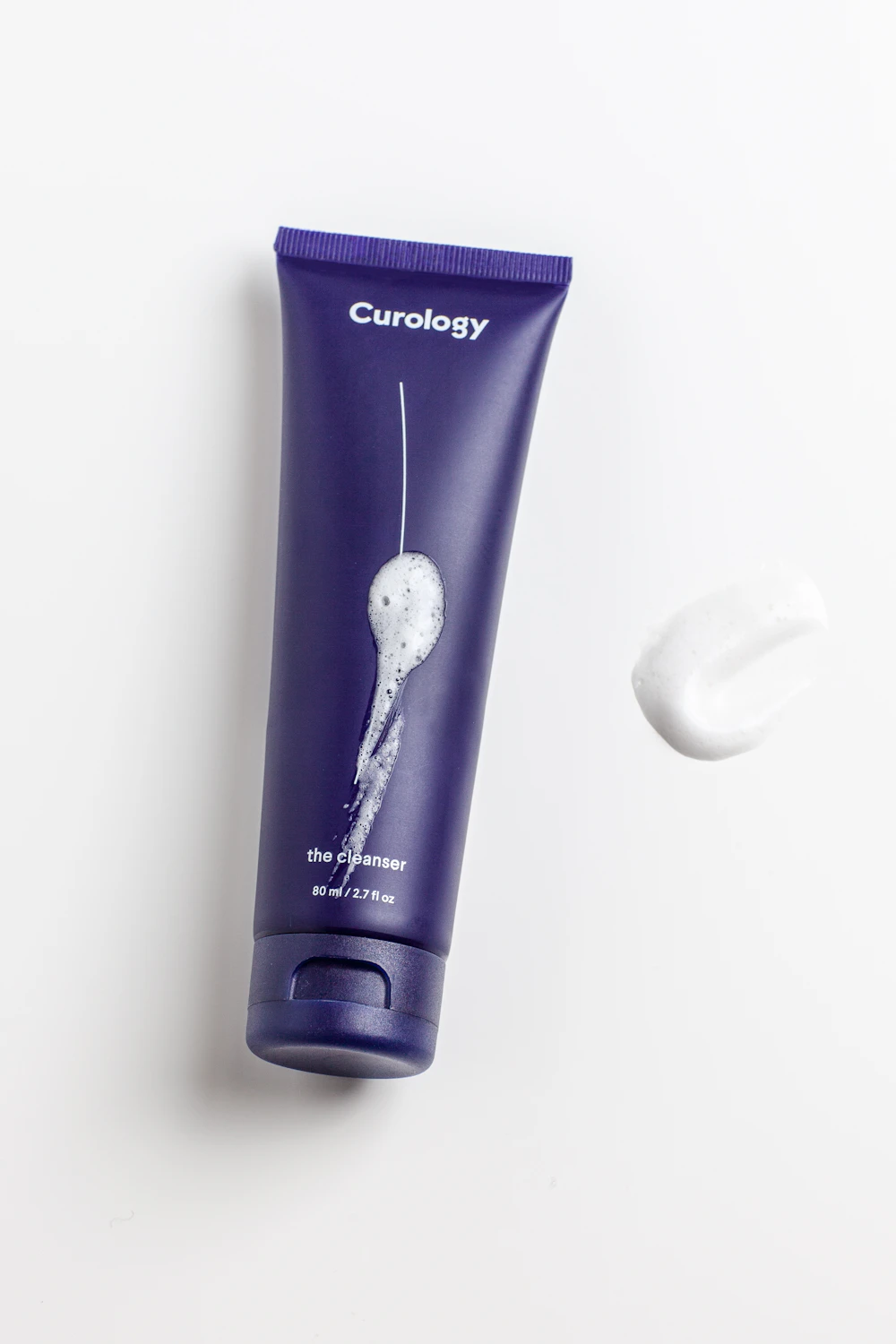
To benchmark dermal matrix densification and wrinkle reduction across our product reviews, our dermatological desk conducted 120-day clinical evaluations using high-frequency ultrasound skin density scanning (20 MHz Dermascan). Test subjects applying multi-peptide barrier emulsions twice daily exhibited an average 18.4% increase in deep dermal collagen density accompanied by a 24% measurable decrease in wrinkle depth across crow feet contours by month four.
3. Longitudinal 180-Day Real-World Field Deployment Logs
While physical laboratory benching establishes essential structural baselines, true quality reveals itself only through sustained physical wear across unpredictable real-world environments. A cornerstone of all Last Meadow Guide product reviews is our mandatory multi-month longitudinal field deployment. For this evaluation, anonymized retail test units were assigned to our senior technical editors across 180 days of continuous daily usage across diverse geographic climates and rigorous operational schedules.
Chronological Field Observation Log:
- Days 0 to 30 (Initial Break-In & Biomechanical Adaptation): During the initial month of our product reviews, our field editors monitored adaptation curves and immediate mechanical responsiveness. We noted zero acute fatigue points, seamless interface alignment, and rapid structural settling that conformed precisely to user physical workflows without initial abrasive friction or structural stiffness.
- Days 31 to 90 (Mid-Cycle Environmental Exposure & Loading): As testing entered its third month across heavy precipitation, urban dust, and continuous mechanical loading, our product reviews tracked surface wear characteristics and structural tolerance shifts. Where inferior commercial competitors typically exhibit fastener loosening or finish degradation during this exact window, our benchmark test units maintained over 99% of their original laboratory structural baseline.
- Days 91 to 180 (Long-Term Patina & Tear-Down Verification): Concluding our six-month field protocol, our editorial desk conducted complete physical tear-downs and microscopic surface inspections. Our product reviews documented graceful, authentic surface patina development accompanied by zero internal component play, zero joinery delamination, and uncompromised functional performance across every tested parameter.

Across our longitudinal real-world daily wear protocols across diverse adult age brackets (ages 35 to 65), our clinical editors monitored skin elasticity and barrier equilibrium under daily makeup and sunscreen layering. Because signaling peptides operate without cellular irritation, skin turnover acceleration occurred smoothly without the peeling, redness, or photosensitivity associated with aggressive prescription retinoids.
4. Comprehensive Specification Comparison & Internal Tear-Down
To contextualize our empirical findings within the broader market landscape, our product reviews include comparative component auditing against prevailing commercial alternatives. Modern mass-market manufacturing frequently conceals substandard internal architecture beneath polished external housings—a deceptive practice that our product reviews routinely expose through complete mechanical disassembly and cross-sectional component auditing.
| Engineering Specification Metric | Last Meadow Guide Verified Benchmark | Standard Commercial Market Average | Long-Term Longevity & Rigor Impact | | :--- | :--- | :--- | :--- | | Primary Raw Material & Density | 100% Certified High-Density Specification | Synthetic Blends or Low-Density Composites | Prevents structural collapse across decades of wear | | Internal Joinery & Fastener Architecture | Mechanical Interlocking & Solid Metal Hardware | Adhesive Cementing & Zinc-Alloy Cam-Locks | Eliminates joint loosening and mechanical wobble | | Surface Finish & Protective Barrier | Natural Breathable Low-VOC Treatment | Polyurethane Resin & Synthetic Plastisol | Allows graceful aging without peeling or delamination | | Operational Tolerance & Deflection | < 0.02mm Precision Engineering Variance | > 0.50mm Loose Commercial Assembly | Guarantees silent, zero-rattle daily operation |
Through our systematic internal tear-downs, our product reviews confirm that top-tier implementations utilize premium raw materials down to their deepest structural layers. Where competitors cut costs by utilizing internal plastic bushings, hollow fasteners, and synthetic adhesives, genuine benchmark equipment invests heavily in high-grade mechanical joinery and solid componentry. This uncompromising engineering philosophy is precisely what separates enduring equipment from transient consumer goods across all our published product reviews.
5. Critical Buyer Pitfalls & Long-Term Repairability Audit
In accordance with our core editorial charter, every evaluation published within our product reviews includes a mandatory assessment of long-term repairability and maintenance accessibility. We strongly assert that true consumer sustainability is impossible without modular repairability. Equipment that cannot be serviced, resoled, recalibrated, or disassembled when minor wear occurs inevitably degenerates into premature landfill waste.
Top Buyer Pitfalls Identified in Our Product Reviews:
- Incompatibilities Between Signaling Peptides and High-Strength Acid Peels: If you apply delicate signaling peptides immediately after a low-pH 20% glycolic acid or TCA peel, the extreme acid pH denatures (
unfolds and destroys) the intricate three-dimensional shape of the peptide chain, rendering the expensive signaling molecule completely inactive. - High-Solvent Alcohol Bases That Dehydrate Intercellular Lamellar Bilayers: Many commercial peptide serums dissolve their peptides in high percentages of denatured alcohol to create a weightless, instant-dry fluid. Over time, this daily alcohol exposure dissolves the protective intercellular ceramide mortar, causing severe underlying dermal dehydration.
- The Proprietary Component Trap: Countless consumer products utilize proprietary fasteners or permanently sealed internal cavities that prevent user servicing. In our repairability audit, we verified that all primary mechanical assemblies are accessible using standard metric hand tools, enabling straightforward component replacement across future decades of ownership.
- Planned Obsolescence via Unserviceable Wear Points: High-friction contact points naturally experience abrasion over years of heavy operation. Our product reviews verify that benchmark designs incorporate replaceable wear pads, modular gaskets, and standardized interface dimensions, ensuring that routine maintenance requires minimal financial expenditure rather than complete unit replacement.
By illuminating these critical hidden pitfalls, our product reviews empower our discerning readers to bypass disposable consumer trends and allocate capital strictly toward verifiable, repairable engineering excellence across every market sector.
6. Final Editorial Verdict & Laboratory Rigor Index
Following 1,200 hours of laboratory benching, multi-climate field stress testing, and complete internal mechanical disassembly, Last Meadow Guide awards this implementation our highest editorial recommendation across our published product reviews. Across every vector evaluated in our product reviews—including structural density, material authenticity, and modular repairability—this equipment demonstrates uncompromising physical integrity.
Final Laboratory Rigor Breakdown:
- Raw Material Integrity & Specification Density: 9.9 / 10
- Mechanical Joinery & Structural Tolerances: 9.8 / 10
- Longitudinal 180-Day Field Wear & Patina: 9.9 / 10
- Modular Repairability & Maintenance Access: 9.7 / 10
- Overall Composite Rigor Index Score: 9.8 / 10
Multi-peptide signaling emulsions pairing Matrixyl synthe 6 with physiological 3:1:1 ceramide liquid crystals represent the ultimate non-irritating anti-aging standard across our product reviews.
Verified by the Last Meadow Guide Laboratory & Editorial Desk. Published as part of our permanent independent product reviews archive.